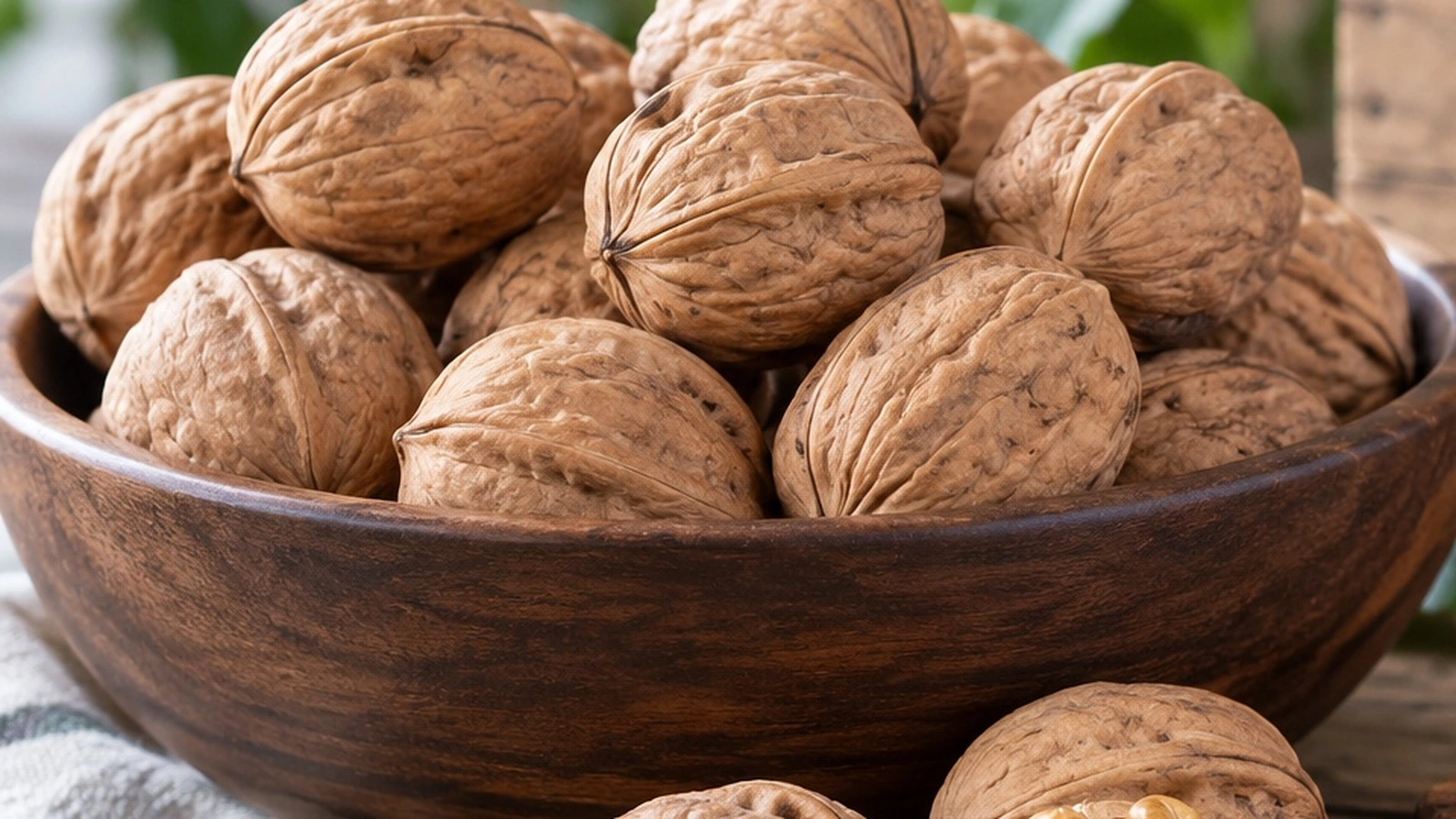
Organic China walnuts in shell should be evaluated through product evidence, lot condition and application fit before buyers compare suppliers. A useful RFQ should define whether the walnuts will be sold as in-shell retail nuts, cracked for kernels, used by a processor, repacked by a distributor or purchased for seasonal wholesale programs. Buyers should then verify organic-document scope, origin and harvest information, shell condition, kernel yield expectation, size range, moisture and freshness indicators, defect tolerance, sample approval, packaging, storage, shipment documents and traceability. The word “organic” is not enough by itself; the buyer needs documents and lot-level evidence that match the destination market and order use.
Start With the Buyer’s Application, Not Only the Organic Label
The same walnuts in shell can be purchased for different commercial purposes. A wholesaler may care about visual shell appearance, seasonal availability and stable packing. A food ingredient processor may care more about kernel recovery, crackability, internal kernel color and the percentage of unusable pieces after cracking. A retail packing company may need uniform size, attractive shell color and consumer-facing presentation. These are different buying decisions even when the product name is the same.
The first RFQ question should therefore be: how will the product be used after arrival? If the buyer plans to sell in-shell walnuts directly, shell appearance, size consistency, cracking experience and pack presentation become important. If the buyer intends to crack the nuts and use kernels for bakery, confectionery or snack production, kernel yield, kernel color, internal defects and rancidity risk become more important than shell aesthetics alone.
Shanshui Nut organizes the relevant product family under Walnuts In Shell. That category supports product discovery, but it does not replace the buyer’s own application definition. The same supplier quotation may be suitable for one route and unsuitable for another if the buyer does not state the final use.
Organic Evidence Should Be Checked by Product, Lot and Market
For B2B procurement, “organic” should be treated as a document-controlled purchasing requirement. Buyers should ask which organic evidence applies to the product, which organization issued it, which product scope it covers, which production or handling stage it covers, and whether it is accepted by the buyer’s destination market. A company-level statement, a news article or a general organic claim should not automatically be treated as proof for a specific order lot.
The RFQ should request the supplier to connect organic evidence to the quoted product name, production or harvest year, lot identity, packing facility if relevant, and shipment documents. If the buyer sells into a regulated organic market, the buyer should also confirm whether additional importer, handler or transaction documentation is needed. A supplier can provide product-side documents, but the buyer’s import and label responsibility may still depend on local rules.
The practical verification logic is:
organic claim → certificate scope → product and lot link → destination-market acceptance → label or resale decision.
If any link is missing, the buyer should not treat two quotations as equivalent. One supplier may quote ordinary walnuts described as natural, while another quotes product supported by organic documentation. Another may have evidence that does not cover the exact product or market. The price comparison should happen only after the organic evidence scope is clear.
Origin, Variety and Harvest Timing Affect the Purchasing Decision
Walnuts in shell are agricultural products, so origin and harvest timing influence buyer evaluation. The buyer should ask for the origin area, crop year or harvest season, storage condition, and whether the supplied lot matches the product description used in the quotation. If the product page emphasizes origin or harvest details, those details should be verified for the current order rather than copied into a purchase order without confirmation.
Variety may also matter. Different walnut varieties can differ in shell thickness, kernel shape, cracking behavior, flavor, color and market acceptance. A distributor selling to consumers may prefer a familiar size and shell appearance. A processor cracking walnuts may be more sensitive to kernel recovery and breakage. The RFQ should ask whether the quoted Organic China walnuts in shell come from a single variety or a mixed lot, and whether the supplier can keep the same origin profile for repeat orders.
Harvest timing affects freshness and storage risk. A new-crop shipment may be preferred for some retail or premium channels. Stored crop can still be commercially acceptable when storage is controlled, but the buyer should know the crop year, storage environment and freshness evidence. This is especially important for nuts because oil-rich kernels can lose flavor quality if storage and packaging are not well managed.
Shell Condition Is More Than Appearance
Shell condition influences both visual value and processing performance. Buyers should review shell cleanliness, shell integrity, natural color, crack rate, insect damage, mold signs, foreign matter and consistency across the lot. For in-shell retail packing, the shell is part of the consumer experience. For cracking operations, the shell affects handling, breakage and the ability to recover saleable kernels.
The product record for Organic China walnuts in shell notes that walnuts-in-shell pages emphasize shell thickness, kernel yield, origin and harvest details where published. These are useful evaluation areas, but the buyer should still request current lot evidence. A past product description does not automatically prove the exact shell condition of a future shipment.
| Checkpoint | Buyer Should Ask | Risk If Missing |
| Shell integrity | Broken-shell percentage, cracked nuts and visible damage tolerance | Retail presentation may suffer and processing loss may increase |
| Shell cleanliness | Dust, staining, foreign matter and washing or cleaning status | Repacking may require extra sorting or rejection |
| Shell thickness | Whether the shell profile matches the intended cracking or retail use | Cracking efficiency and consumer experience may change |
| Kernel condition | Kernel color, taste, rancidity check and internal defect tolerance | Good-looking shells may still hide unacceptable kernels |
| Lot consistency | Sample basis, batch identity and size distribution | Pre-shipment product may differ from the approved sample |
The buyer should not rely only on external shell photos. For meaningful approval, the sample should be cracked and checked internally. A visually attractive in-shell walnut lot can still be unsuitable if kernels are dark, shriveled, rancid, insect-damaged or inconsistent.
Kernel Yield and Crackability Matter for Processors
When walnuts in shell are purchased for cracking, kernel yield becomes a central commercial variable. A lower in-shell price may not be lower after cracking loss, unusable kernels and sorting labor are considered. Buyers should define how they evaluate kernel yield: whole kernel recovery, usable kernel percentage, broken kernel tolerance, color grade, defect level and taste condition.
The supplier should be asked whether it can provide a representative sample and whether the sample can be cracked under conditions similar to the buyer’s process. If the buyer uses mechanical cracking, the equipment type and target kernel output should be considered. A variety or shell profile that works for manual retail cracking may not be optimal for industrial kernel recovery.
Kernel quality should also be assessed after storage and transport assumptions are reviewed. Walnuts contain natural oils, and flavor quality can be affected by time, temperature, oxygen exposure and packaging. The buyer should ask for crop-year information, storage conditions and any quality documents required for the order.
Food Safety and Quality Documents Should Match the Order
Food ingredient buyers and importers usually need more than a product name. Depending on the destination market and customer, the document package may include product specification, lot or batch information, origin statement, organic evidence, certificate of analysis if offered, microbiological or contaminant testing if required, allergen statement, packing list and phytosanitary or customs-related documents where applicable.
The important point is not to request every possible document blindly. The buyer should identify which evidence is required by its customer and market, then ask the supplier to confirm whether the quoted lot can support those requirements. If aflatoxin, pesticide-residue, microbiological, moisture or foreign-matter limits are required, the exact limits and test method expectations should be stated in the RFQ.
Do not treat a generic “quality certificate” as enough. Each document should identify the product, lot, date, scope and issuer. If a certificate covers a facility but not the specific product, or a sample test does not represent the shipment lot, it may not support the buyer’s approval process.
Packaging, Storage and Shipment Terms Affect Arrival Quality
In-shell walnuts must arrive with their physical and sensory quality protected. Packaging should be selected around moisture protection, ventilation or barrier needs, handling resistance, palletization, container conditions, labeling and customer repacking requirements. The buyer should state whether the order is for bulk sacks, cartons, retail-ready repacking, private-label processing or food-manufacturing input.
Packaging affects more than appearance. Poorly protected nuts may absorb moisture, develop off-odors, suffer shell breakage or become difficult to inspect on arrival. Overly generic packaging also makes lot traceability harder when the buyer distributes to multiple customers.
Storage and logistics should be included in the quotation conversation. Ask how the product is packed, how each lot is identified, what storage conditions are recommended, what shelf-life or best-use period is stated if available, and how documents are matched to the shipment. If the destination requires fumigation, phytosanitary review, wood-packing treatment or other import controls, the buyer should state that before final quotation.
How Should Buyers Review the Organic China Walnuts in Shell Page?
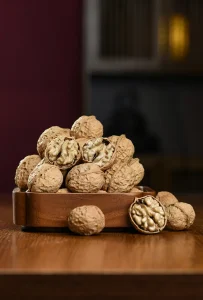
The Organic China walnuts in shell page should be used as the target product reference for this topic. It confirms the product direction within the walnuts-in-shell category, but it should not be treated as a complete commercial specification for every order.
For supplier evaluation, the buyer should convert the product page into current-order questions: Which crop year is offered? What size range is available? What is the shell condition? What is the expected kernel yield or sample result? Which organic documents apply? What packaging is included? Which tests and shipment documents can be supplied for the lot?
This protects the buyer from assuming that every lot has identical condition. Agricultural products vary by season, lot, storage and processing. A product page supports discovery; a signed specification and lot evidence support purchasing.
What Makes Walnut Quotations Non-Comparable?
Two walnut suppliers may return similar unit prices while quoting different products. Common quotation gaps include:
- one quotation is organic-supported and another is only described as natural;
- origin, variety or crop year is not stated;
- size range and shell condition are undefined;
- kernel yield is assumed but not sampled;
- documents are promised generically without lot connection;
- packaging and palletization are excluded or described vaguely;
- shipment terms and import documents are not aligned;
- retail use and cracking use are mixed in the same comparison.
The remedy is to standardize the specification before negotiating price. Once application, organic evidence, physical condition, sample method, packaging and documents are aligned, the buyer can compare suppliers more fairly.
Build the Final RFQ Around Lot Evidence
A complete RFQ for Organic China walnuts in shell should include:
- intended use: in-shell retail, cracking, ingredient processing or wholesale distribution;
- destination market and organic documentation requirements;
- origin area, variety requirement and crop year expectation;
- size range or count specification;
- shell condition, cleanliness and damage tolerance;
- kernel yield, kernel color and internal defect expectations;
- moisture, freshness and rancidity review requirements if controlled;
- sample quantity and approval method;
- required tests, certificates and lot documents;
- packaging, label and palletization requirements;
- order quantity, shipment timing and delivery basis;
- supplier assumptions, substitutions, exclusions and deviations.
Ask suppliers to return the response as Confirmed Lot Scope / Organic Evidence / Physical Specification / Sample Basis / Document Scope / Packing Scope / Deviation. After those details are prepared, buyers can submit the project through Shanshui Nut’s contact and inquiry page with a walnut specification that supports supplier comparison instead of a vague organic product request.