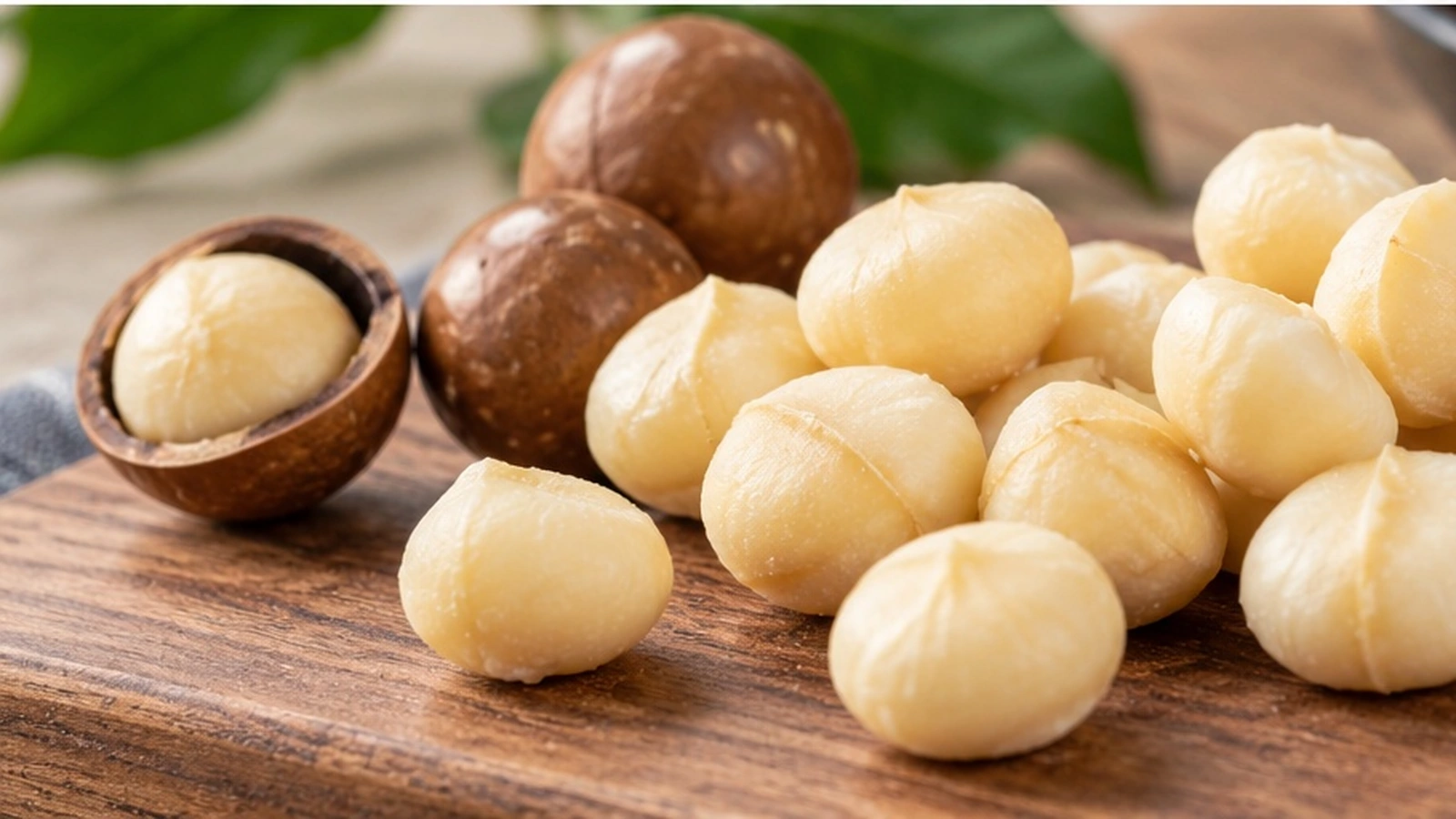
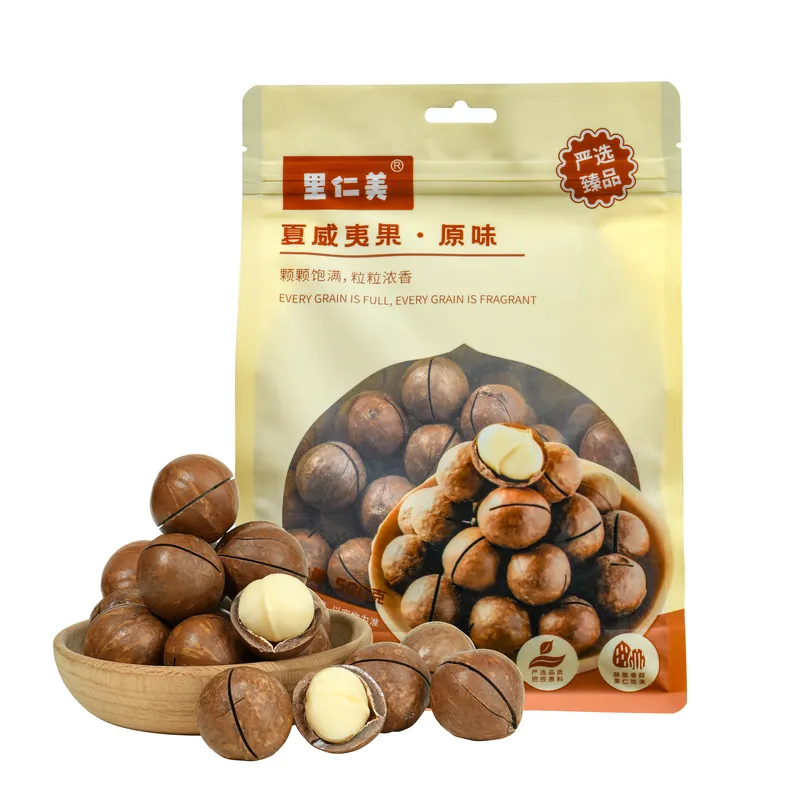
For bulk dry roasted macadamia nuts, the RFQ should first clarify whether the buyer needs a finished dry-roasted snack ingredient, unsalted roasted kernels, salted roasted kernels, roasted pieces, or whole dried macadamia nuts for further roasting and packing. The target product reference, Premium whole dried macadamia nuts, supports discussion of bulk macadamia procurement, but buyers should not assume roasting, salting, seasoning or retail packing unless the supplier confirms it for the order. A comparable quotation needs product form, grade, size, roast level, application, quantity, packaging, food-safety documents, sample method, shelf-life expectation and delivery scope aligned before price comparison.
Clarify “Dry Roasted” Before Comparing Suppliers
The phrase “dry roasted macadamia nuts” describes a processing state, not just a nut variety. Some buyers use it to mean ready-to-eat roasted kernels with no added oil. Others may search the phrase while actually needing dried whole macadamia kernels that will be roasted, salted, coated or packed by another processor. This difference changes the supplier’s responsibility.
If the buyer needs a finished dry-roasted product, the RFQ should specify roast level, salted or unsalted condition, seasoning, moisture target if controlled, packaging barrier, shelf-life expectation, food-safety documents and whether the product is ready for retail packing or industrial repacking. If the buyer needs dried whole macadamias for its own roasting line, the RFQ should focus on raw or dried kernel condition, size, breakage, freshness, storage and roasting suitability.
This distinction is essential for Shanshui Nut’s Macadamia Nuts category. The category supports product discovery for bulk macadamia procurement, but the buyer must state whether the order is for dried whole kernels, in-shell nuts, roasted kernels or a processed snack format.
The Product Form Must Match the Buyer’s Application
Macadamia nuts are purchased by different B2B buyers: snack brands, bakery and confectionery producers, ingredient distributors, foodservice buyers, private-label packers and import wholesalers. Each buyer uses the nut differently, so the required form and documents may differ.
A snack brand may need whole roasted kernels with consistent color, crunch and seasoning. A bakery may prefer pieces or halves where visual whole-kernel integrity is less important. A chocolate or confectionery producer may care about roast flavor, oil release, particle size and coating compatibility. A distributor may need stable bulk packaging, private-label repacking support and lot traceability for several downstream customers.
The RFQ should define the application before grade is discussed. “Premium whole dried macadamia nuts” suggests a whole-kernel product direction, but a finished dry-roasted snack order may require additional processing confirmation. A supplier response should state whether the offered product is dried, roasted, salted, unsalted, seasoned, whole, broken or prepared for further processing.
Whole, Halves, Pieces and Broken Percentage Change the Quote
Macadamia product form affects price, application fit and buyer acceptance. Whole kernels are often preferred for premium snack mixes and retail packs. Halves or pieces may suit bakery, confectionery or ingredient blending. Broken percentage matters because the buyer’s finished product may depend on visual consistency or dosing accuracy.
The RFQ should specify:
- whole, halves, pieces or mixed form;
- acceptable broken percentage;
- size range or grade if the buyer uses one;
- kernel color expectation;
- defect tolerance;
- whether sorting is required before shipment;
- whether the sample must represent the final lot.
A quote for whole kernels should not be compared with a quote for mixed pieces. A lower price may be acceptable for bakery use but unsuitable for retail snack packs. The buyer should connect application → kernel form → visual standard → sample approval → quotation decision.
Roast Level, Salt and Seasoning Must Be Treated as Separate Scope Items
For true bulk dry roasted macadamia nuts, roast level defines flavor, color, texture and shelf-life behavior. Light roasting may preserve a milder profile. Deeper roasting may create stronger flavor and darker color. Over-roasting can create bitterness or inconsistent appearance. The buyer should define the target sensory profile and sample approval method rather than asking for “standard roast.”
Salt and seasoning should be specified separately from roasting. Unsalted dry roasted macadamias, salted roasted macadamias and flavored snack nuts are not the same product. Each may require different ingredient declarations, allergen review, packaging, shelf-life testing and customer approval.
If the supplier is only offering dried whole macadamia nuts, roasting and seasoning may be outside the quoted scope. In that case, the supplier should state the limitation clearly, and the buyer should decide whether the order is still suitable for internal roasting or further processing. This avoids presenting a dried product as a finished roasted product without evidence.
| RFQ Detail | Buyer Input | Why It Matters |
| Processing state | Dried, dry roasted, salted, unsalted or seasoned | Defines the supplier’s actual production and document scope |
| Kernel form | Whole, halves, pieces or mixed | Changes application fit and commercial value |
| Roast level | Light, medium, dark or sample-matched target | Affects flavor, color, crunch and customer approval |
| Application | Snack pack, bakery, confectionery, foodservice or repacking | Determines acceptable defects, packaging and document needs |
| Documentation | COA, allergen, microbiology, contaminant or market documents if required | Supports food-safety review and importer/customer approval |
The table separates specification from assumption. It helps buyers identify whether a quotation covers finished roasted macadamias or only base macadamia kernels.
Freshness, Moisture and Rancidity Risk Need Lot-Level Review
Macadamias are oil-rich nuts, so sensory quality depends on lot condition, storage, packaging and time. Buyers should review aroma, taste, texture, color, moisture condition and rancidity risk during sample approval. A product can look visually acceptable but still fail a buyer’s flavor or shelf-life expectation.
The RFQ should request crop or production date information where available, storage conditions, lot identity and sample basis. For roasted nuts, roast date and post-roast packaging become important. For dried whole nuts intended for later roasting, incoming kernel condition and storage history are more important.
If the buyer has controlled moisture, peroxide value, free fatty acid, microbiological, aflatoxin or other quality requirements, those limits should be written into the specification. The supplier should then confirm whether testing can be provided for the quoted lot. The article should not invent test results or claim that every lot meets a specific limit without product evidence.
Packaging Should Protect Aroma, Texture and Shelf Life
Packaging is a major RFQ item for bulk dry roasted macadamia nuts. Roasted nuts can lose crunch or develop off-flavor when moisture, oxygen, heat or light exposure is not controlled. Dried kernels also need protection from contamination, moisture changes and handling damage.
Buyers should state whether they require vacuum packing, nitrogen flushing, foil barrier bags, bulk cartons, foodservice packs, retail-ready packs or plain bulk sacks. They should also specify net weight per inner package, outer carton requirement, palletization, lot labeling and whether private-label or neutral packing is needed.
Do not assume protective packing is included. One supplier may quote bulk cartons with basic liners, while another includes high-barrier packaging and more detailed labeling. These offers should not be compared only by unit price.
For distributors, packaging must also support inventory control. Batch or lot codes, production date, best-before date if provided, and storage instructions should match the buyer’s warehouse and customer documentation system.
Food Safety Documents Should Be Requested Before Sample Approval
Macadamia nuts are food ingredients and may also fall under customer allergen-management programs. Buyers should ask for the document package early enough that the best-tasting sample does not later fail the buyer’s approval route.
Depending on the destination market and customer requirements, useful documents may include product specification, ingredient statement, allergen statement, certificate of analysis if offered, microbiological or contaminant testing if required, origin information, packing list, storage instruction and import-related documents. If the product is roasted, salted or seasoned, the document package should reflect the added processing and ingredients.
Evidence must be product-specific. A general nut supplier statement does not prove that a particular roasted macadamia lot meets the buyer’s specification. The buyer should check product name, lot number, test date, document date, parameter limits and whether the document matches the final processing state.
Samples Should Be Tested in the Real Finished Product
Sample approval should mirror the buyer’s commercial use. A snack brand should evaluate the nuts after the same packing and shelf period expected for sale. A bakery should test the nuts in the baked product because flavor, texture and oil behavior can change during baking. A confectionery buyer should test coating behavior, breakage and flavor balance in the chocolate or candy base.
For dried macadamias intended for later roasting, the buyer may need a roasting trial using its own process. The sample should then be evaluated before roasting and after roasting. This prevents the buyer from approving a dried kernel that later fails its roast target.
Record the approved sample form, lot, roast condition, dosage, packaging and evaluation date. Future purchase orders should reference the approved condition so repeat shipments are judged against the same basis.
How Should Buyers Review the Premium Whole Dried Macadamia Nuts Page?
The Premium whole dried macadamia nuts page is the target product reference for this topic. It supports evaluation of whole dried macadamia nuts within Shanshui Nut’s bulk macadamia product range.
The buyer should not treat the page as automatic proof of dry roasting, salting, seasoning or ready-to-eat snack configuration. If the RFQ is specifically for bulk dry roasted macadamia nuts, the supplier should confirm whether dry roasting is included, whether it is available as a project-specific processing requirement, or whether the offered product is dried whole macadamia nuts for the buyer’s own processing.
This boundary makes the article commercially safer. It keeps the keyword intent visible while preventing an unsupported product claim. The supplier quotation should name the offered form clearly: dried whole kernels, roasted kernels, salted roasted kernels, seasoned kernels or another confirmed configuration.
What Makes Macadamia Quotations Non-Comparable?
Macadamia quotations often become non-comparable because processing state and documentation are not aligned. Common gaps include:
- one supplier quotes dried kernels while another quotes finished dry-roasted nuts;
- salted, unsalted and seasoned versions are mixed together;
- whole kernels are compared with halves or pieces;
- broken percentage and size range are not defined;
- roast level is described subjectively without sample approval;
- food-safety documents are promised generally but not linked to the lot;
- packaging barrier and shelf-life expectations are missing;
- destination-market requirements are added after quotation;
- sample quality is approved without confirming production-lot consistency.
The buyer should align product form, processing state, application, sample, documents and packing before comparing price. Otherwise, the lower quote may only be lower because it excludes processing or evidence that the buyer actually needs.
Build the Final RFQ Around Processing State and Application
A complete RFQ for bulk dry roasted macadamia nuts should include:
- required processing state: dried, dry roasted, salted, unsalted or seasoned;
- application: snack packing, bakery, confectionery, foodservice, repacking or ingredient use;
- kernel form: whole, halves, pieces or mixed;
- size range, broken percentage and defect tolerance;
- roast level, color, crunch and flavor target if roasting is required;
- salt or seasoning requirements and ingredient restrictions;
- moisture, freshness and rancidity review requirements;
- required tests and food-safety documents;
- sample quantity, approval method and production-lot matching rule;
- packaging type, net weight and storage requirements;
- order quantity, shipment timing and delivery basis;
- supplier deviations, exclusions and buyer inputs still missing.
Ask suppliers to return the response as Confirmed Processing State / Kernel Specification / Sample Basis / Document Scope / Packaging Scope / Shelf-Life Assumption / Deviation. Once the buyer has separated dried macadamia supply from dry-roasted finished-product requirements, the project can be submitted through Shanshui Nut’s contact page with an RFQ that supports real quotation comparison.